
For couples who want to have a child but cannot conceive, IVF (in vitro fertilization) is one of today’s most effective assisted reproductive methods. But who exactly is it recommended for, and how does the process work? In this article we explain the key steps in simple terms.
What is IVF treatment?
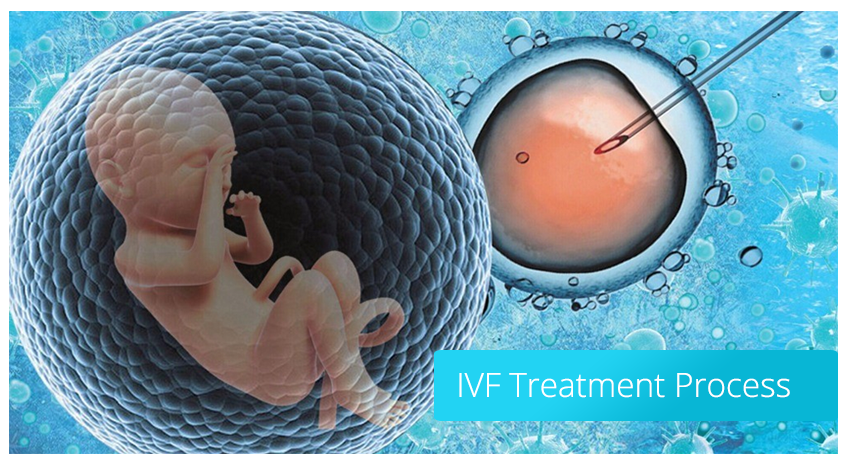
In IVF, eggs collected from the woman and sperm from the man are brought together in a laboratory. Healthy embryos that form are then transferred to the mother’s uterus. The goal is to achieve fertilization and implantation, leading to a healthy pregnancy. You can review all stages on our treatments page.
Who is IVF recommended for?
Treatment may be suitable for couples who cannot conceive for various reasons. The most common situations include:
- No pregnancy despite one year of regular trying (six months for women over 35)
- Blocked or damaged fallopian tubes
- Ovulation problems or low ovarian reserve
- Severe male factor (low sperm count or motility)
- Conditions such as endometriosis (chocolate cyst)
- Unexplained infertility
- No success from methods such as insemination (IUI)
The right method is determined after a detailed evaluation based on the couple’s situation. Every couple is different, so treatment is planned individually.
The IVF process step by step
- Consultation and evaluation: The couple’s history is reviewed and necessary tests (hormone tests, ultrasound, sperm analysis) are performed.
- Ovarian stimulation: Over about 8-12 days, medication helps several eggs develop, monitored by ultrasound.
- Egg retrieval (OPU): Mature eggs are collected under light sedation in a short procedure.
- Fertilization: Eggs are fertilized with sperm in the lab; microinjection (ICSI) is used when needed.
- Embryo development: The embryos are monitored in the laboratory for three to five days.
- Embryo transfer: Healthy embryo(s) are placed into the uterus in a painless procedure.
- Pregnancy test: A blood test about 10-12 days after transfer determines the result.
Factors affecting success
Success in IVF depends on many factors, including the mother’s age, egg and sperm quality, the condition of the uterus, and how well the treatment is tailored to the individual. An experienced team, advanced laboratory conditions and a personalized approach significantly increase the chances of success.
Remember
The IVF journey requires patience and the right guidance. Feel free to ask any question and move forward with accurate information. Let us determine the most suitable treatment plan together. For a free preliminary consultation and appointment, you can contact us.
This content is for informational purposes only and does not replace personal medical advice.
Add Your Comment